
Line Magnetic: the engineers behind the sound (long version)
Line Magnetic has earned genuine cult status in the audiophile world, with a devoted global following, and the depth behind that reputation runs deeper than most realise. Its founder, the late Zheng Cai, helped build Cayin, a well-known brand in the international market, from the ground up as shareholder and chief engineer. He mastered the audio transformer, the single hardest component in any valve amp, and spent years preserving the Western Electric masterpieces that shaped cinema and Hi-Fi sound through the 1930s -50s.
That engineering pedigree, not nostalgia, is the story worth telling.
A pedigree that predates the brand
Line Magnetic was founded in 2005 in Zhuhai by brothers Zheng Cai (郑财) and Zheng Xi (郑喜), both lifelong audiophiles. But to understand the company you have to go back further, to founder Zheng Cai himself.
Zheng Cai trained at the Beijing Broadcasting Institute, then spent more than a decade as a chief engineer in China's radio manufacturing industry, pursuing valve electronics as a private obsession on the side.
He and his brother spent roughly two years researching and building high-end audio transformers, the single most critical and most difficult component in any tube amplifier. The effort nearly bankrupted them.
But that breakthrough caught the attention of Cayin, then one of mainland China's first commercial-scale vacuum tube amplifier makers. Zheng Cai was invited in as a shareholder in 1993, serving as general manager and chief engineer during the company's formative years.
By 1995 Cayin had earned a reputation in China and abroad. Zheng suggested the Cayin board to pursue genuinely high-end amplifiers, they disagreed, and he left. That decision is the seed of Line Magnetic. Chinese audio press later dubbed him a "godfather" of the country's tube-amp scene. Although Line Magnetic was not formally established until 2005, it dates its heritage to Zheng Cai's 1993 entry into Cayin, the year from which it still counts its anniversaries.
Why this matters: the Cayin connection isn't trivial. It means the technical DNA inside a Line Magnetic amp traces back to the person who helped write the rulebook for the entire category. Very few brands, at any price, can claim that.
Two workshops, one bloodline
After Cayin, Zheng Cai spent nearly a decade moving between companies as engineer, researcher and co-founder, absorbing Western high-end design and, in his spare time, repairing and restoring vintage Western Electric equipment for other enthusiasts. That restoration work became the foundation for everything that followed.
When Line Magnetic was formally established in 2005, it took shape as two independent operations, run by each brother:
Line Magnetic Zhuhai (the modern side). Run by younger brother Zheng Xi, this is the incorporated company behind the widely reviewed "LM-" series integrated amps, preamps and power amps.
Line Magnetic Foshan (the vintage side). More precisely the Line Magnetic Western Electric Design Lab, run by elder brother Zheng Cai. This was his lifelong passion: faithful replicas of Western Electric, Altec and Jensen amplifiers, drivers and large horn systems.
Both operations draw on the same core skill, transformer science, and both build the old-fashioned way, with point-to-point hand wiring.
Line Magnetic also supplies transformers and critical components to prestigious Western and Japanese brands, often under non-disclosure. Plenty of gear sold on "heritage" branding is running Line Magnetic parts inside.
Scale most boutique brands can't match
Vintage-inspired doesn't mean cottage-industry. Today, the LM Zhuhai operation runs a genuine production facility:
Around 1,700 square metres of new production and office space, with incoming inspection, warehousing, assembly, testing, ageing, printing and transformer winding all under one roof.
An automated assembly line for the hard-wiring stage, designed in-house and unusual for tube-amp production, where most rivals simply can't justify the scale.
A team spanning dozens of staff including engineers, with most output going to export, both under the Line Magnetic name and as OEM work for brands in Japan, Europe and the USA.
The result is a rare combination: hand-built, vintage-circuit amplifiers produced with the consistency and volume of a serious manufacturer, rather than a handful of units a month from a garage bench.
The Foshan workshop: chasing Western Electric to the atom
The Foshan studio is where the obsession lives. Zheng Cai's approach to replicating Western Electric wasn't to copy the outside and hope, it was to understand the physics from the ground up.
Take the transformers, the heart of the whole thing:
The studio started by chemically analysing the magnetic steel core and the wire, not just the winding pattern.
Only after understanding the materials, structure and winding technique could they attempt a true 1:1 recreation.
The guiding principle: spare no cost, because only then does the sound come back to life with the tone and emotion of the original.
There's a fascinating twist that shows this is engineering, not nostalgia. In testing, the team found that removing certain bandwidth-limiting elements from the old Western Electric circuits, judged against modern standards, produced startling results. As the current chief designer Zheng Dawei put it, it was like "letting a tiger out of its cage." Keep the Western Electric tone, then layer on the resolution, bandwidth, dynamics and staging that modern ears expect, and you approach something close to ideal.
That philosophy now carries a badge of its own: Analog Sound, the Foshan studio's line of new-design tube amps built on decades of Western Electric replica know-how.
Zheng Dawei (郑大伟): the musician who inherited the workshop
Every serious workshop needs a successor who actually gets it. Zheng Cai's son, Zheng Dawei, is that successor, and his path to the workbench is an unusual one.
He trained not in engineering but in music, graduating from Zhuhai Art College, and served as vice-chairman of the Zhuhai Guitar Association, even writing his own guitar method book. A jazz obsessive, he organised bands, festivals and a music collective before ever touching a soldering iron. He founded a music and beach festival in Zhuhai in 2002 and helped nine bands record and tour.
By his own account he resisted the electronics entirely at first. What changed his mind was watching his ageing father pursue an ideal too large for one person to realise alone. In 2005 he set his own music path aside and threw himself into helping.
That musical background is now his engineering advantage. He voices amplifiers by emotional response rather than the measurement sheet alone, working to a simple standard: the playback has to move him and fellow audiophiles alike. The result is gear with more musicality, more feeling and more life.
After his father's passing in 2014, Zheng Dawei took sole charge of the studio. As he worked through his grief, he reorganised the company's direction, built its culture, and set about realising, one by one, the unfinished "Western Electric dream" his father had left behind. Today the studio does more than faithfully recreate Western Electric products. It has developed a run of new designs that have won market recognition and the backing of audiophiles:
Analog Sound 123 tube buffer
Analog Sound 125 single-ended integrated amplifier (211 power tubes)
Analog Sound 127 30th Anniversary Edition (KT88 tubes and seven transformers)
Analog Sound 129P all-tube super phono stage
Analog Sound 133 preamplifier
The ideal behind the ideal
The Classic of Filial Piety holds that to establish oneself and walk the Way, making a name that endures and so honouring those who came before, is the highest form of filial devotion. For Zheng Dawei that idea is not abstract. As he puts it:
"My ideal is to realise my father's ideal."
A 1:1 replica was never the finish line. The value lies in what you learn taking the originals apart: the subtle differences, the deeper principles, and using that understanding to build something the old masters never could.
He is candid that a long road still lies ahead, but the dream handed down from his father's generation, of natural, true and vividly lifelike sound reproduced at its finest, is one he intends to keep. As he sees it, he has always been a "music person." The only thing that has changed is the instrument:
"I used to express my musical ambitions through instruments and bands. Now, and in the years to come, I do it through the audio artworks I design and build myself, bringing deeply affecting music to everyone who loves it."
Hearing it for yourself in Australia
After a hiatus from the Australian market, Line Magnetic returned through Angelic Sound, which became the brand's exclusive Australian distributor in 2024. That means locally supported gear, built to 240V and backed by Australian warranty, from both the modern Line Magnetic range and the Analog Sound vintage line.
If you gravitate towards organic, natural, emotionally engaging sound, especially with jazz, classical and vocal music, this is a lineage worth hearing: classic tube warmth, modern refinement, and an engineering story that goes back three decades.
Source:
- Articles by the Line Magnetic Design Lab
- Fact-checks with Zheng Dawei
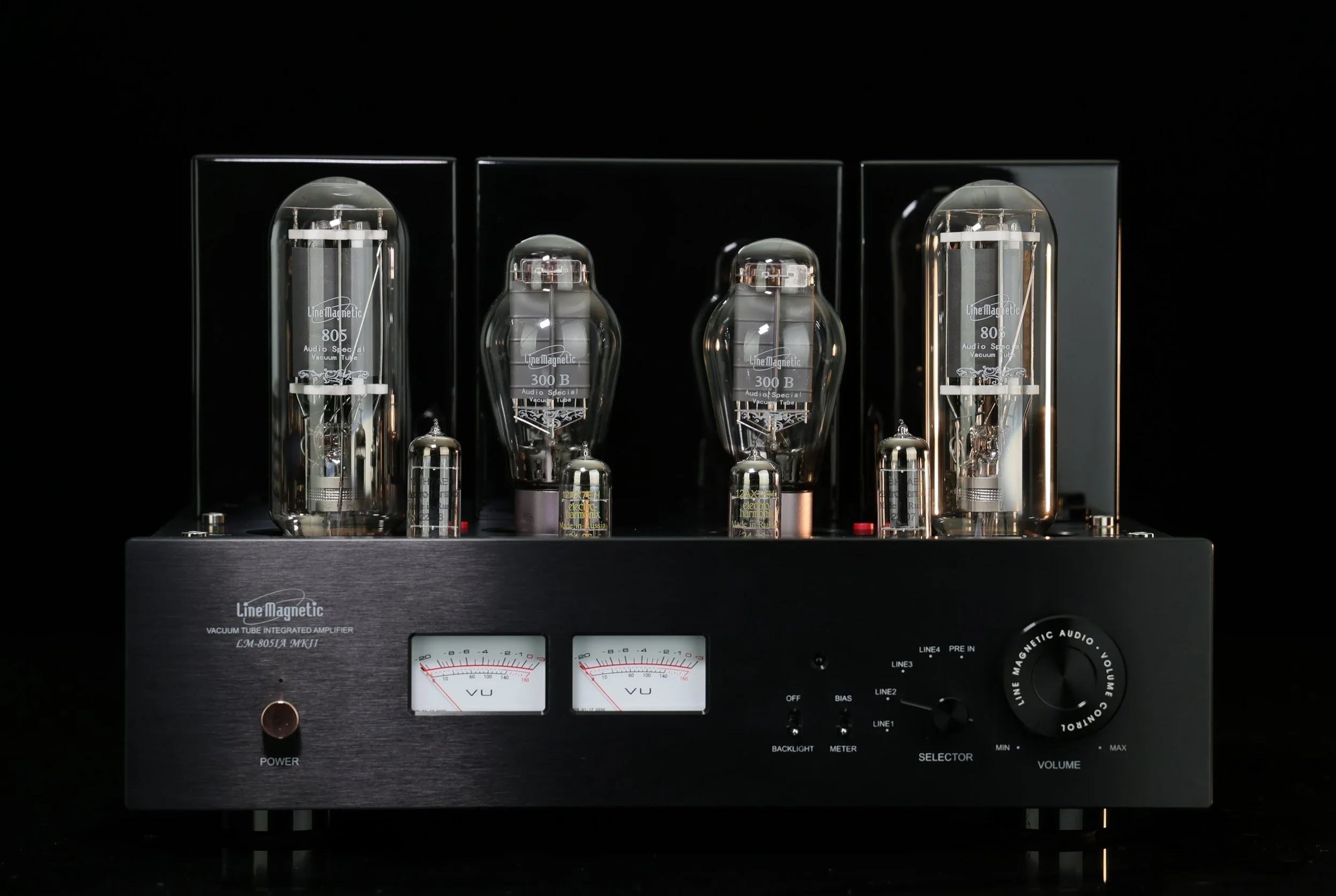
Line Magnetic LM-805IA MKII (made in the Zhuhai factory)
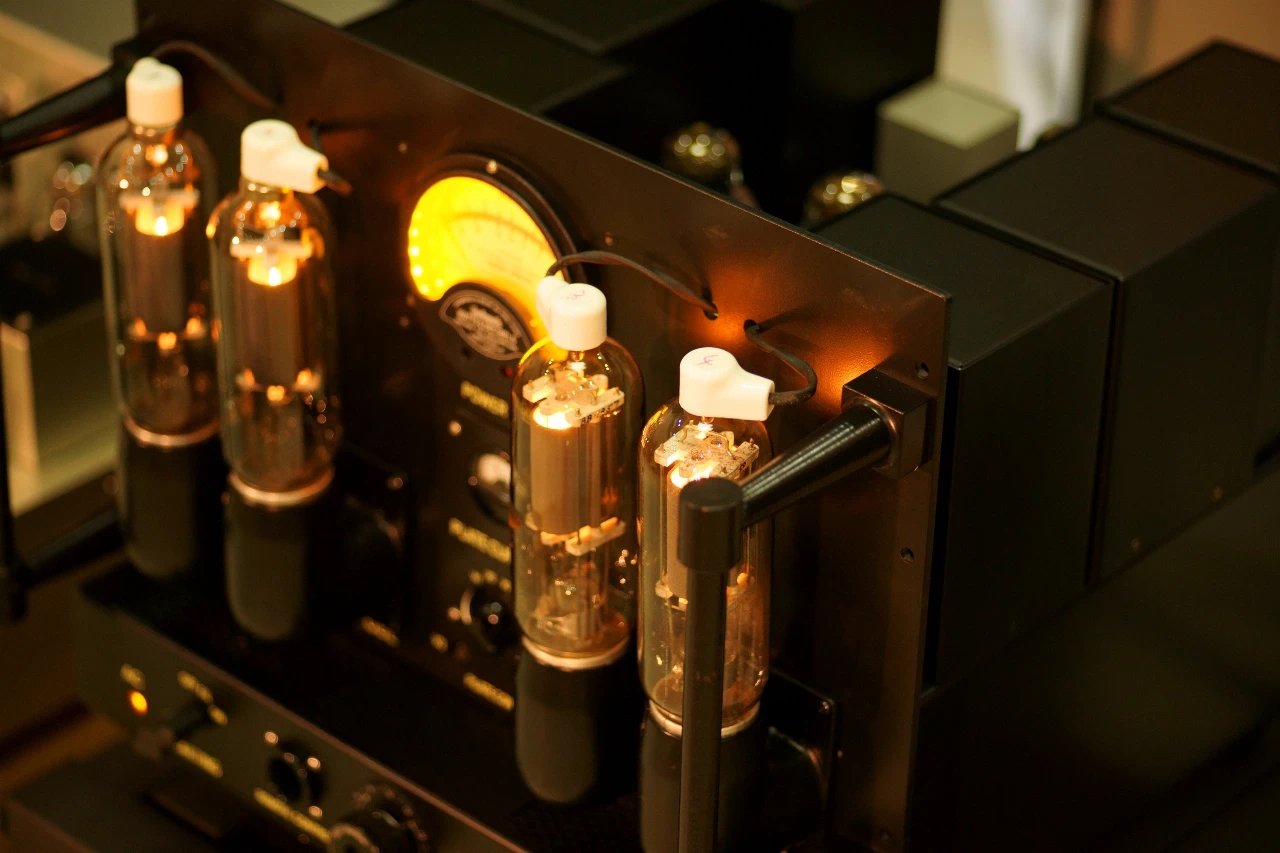
Analog Sound LM-805-Vintage (made in the Foshan factory)
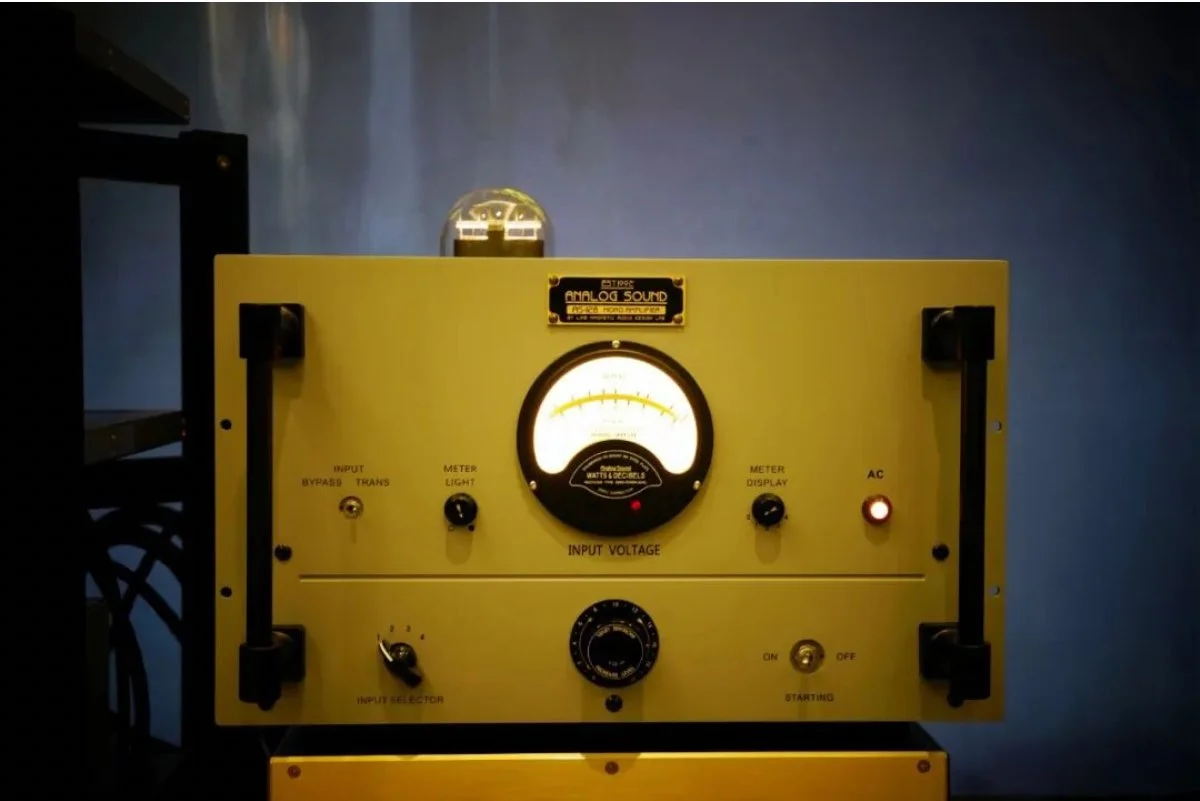
Analog Sound AS-128 (made in the Foshan factory)
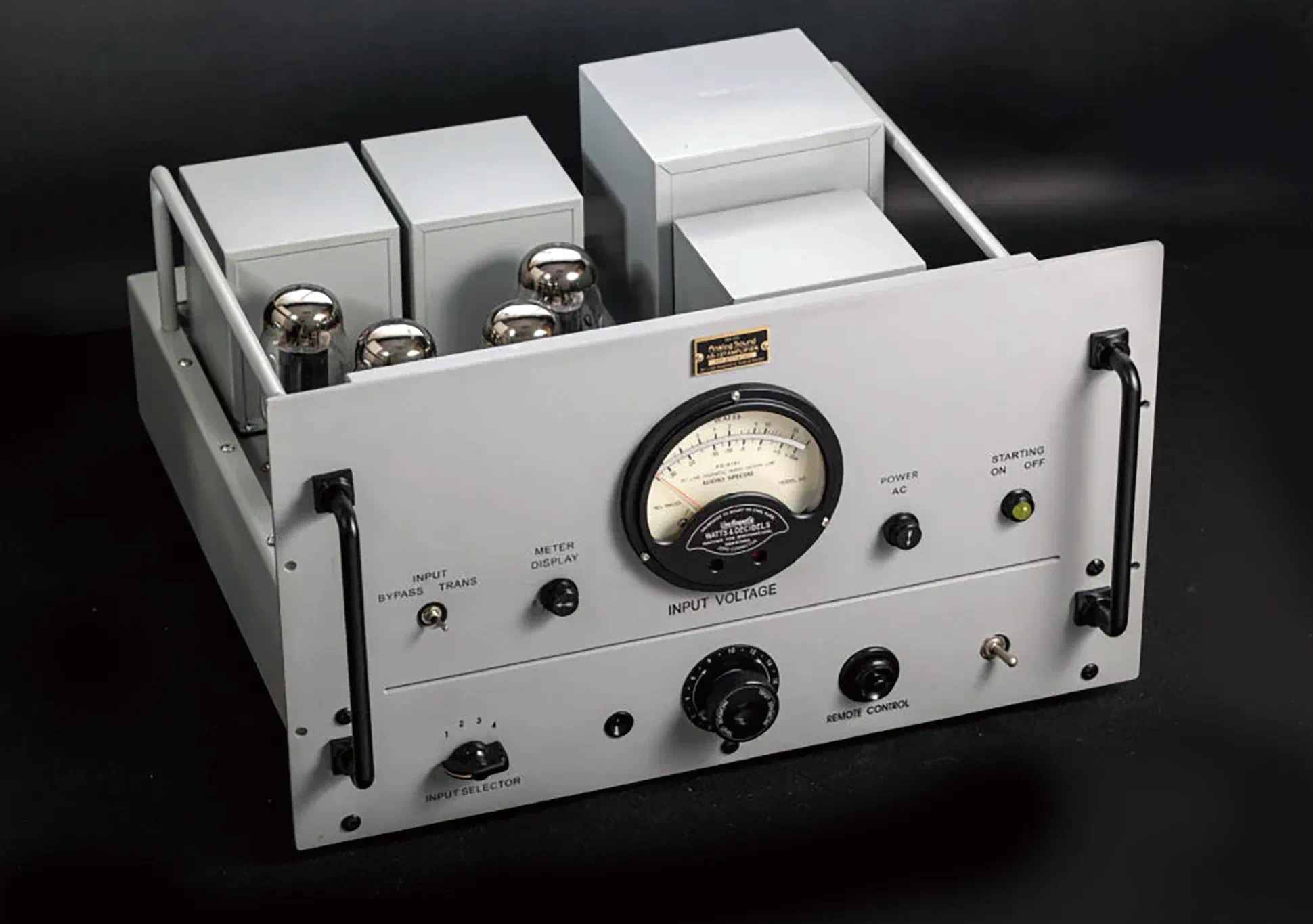
Analog Sound AS-127 with seven transformers (made in the Foshan factory)
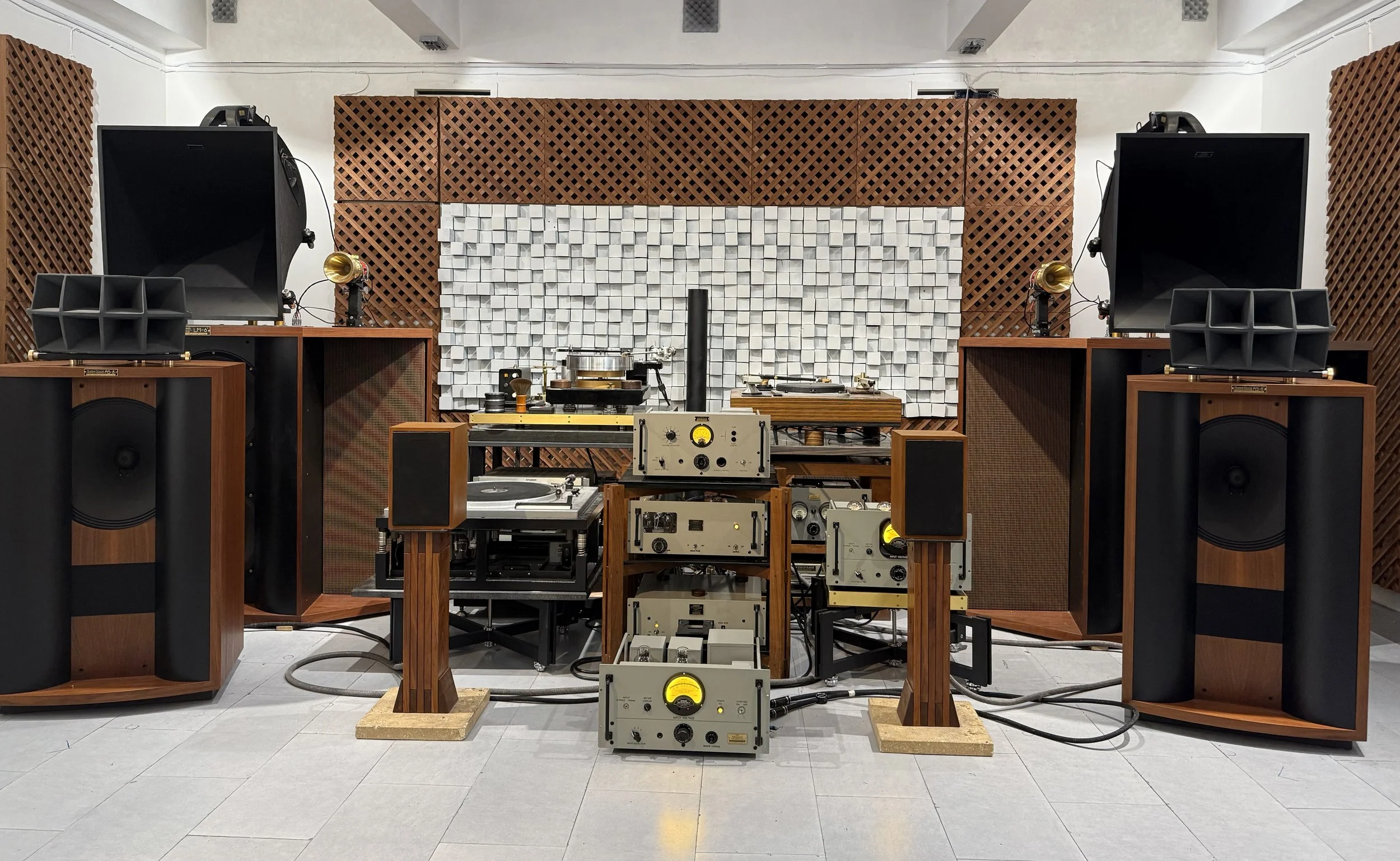
A listening room in the Line Magnetic Western Electric Design Lab (in the Foshan factory)

The late Zheng Cai (郑财)
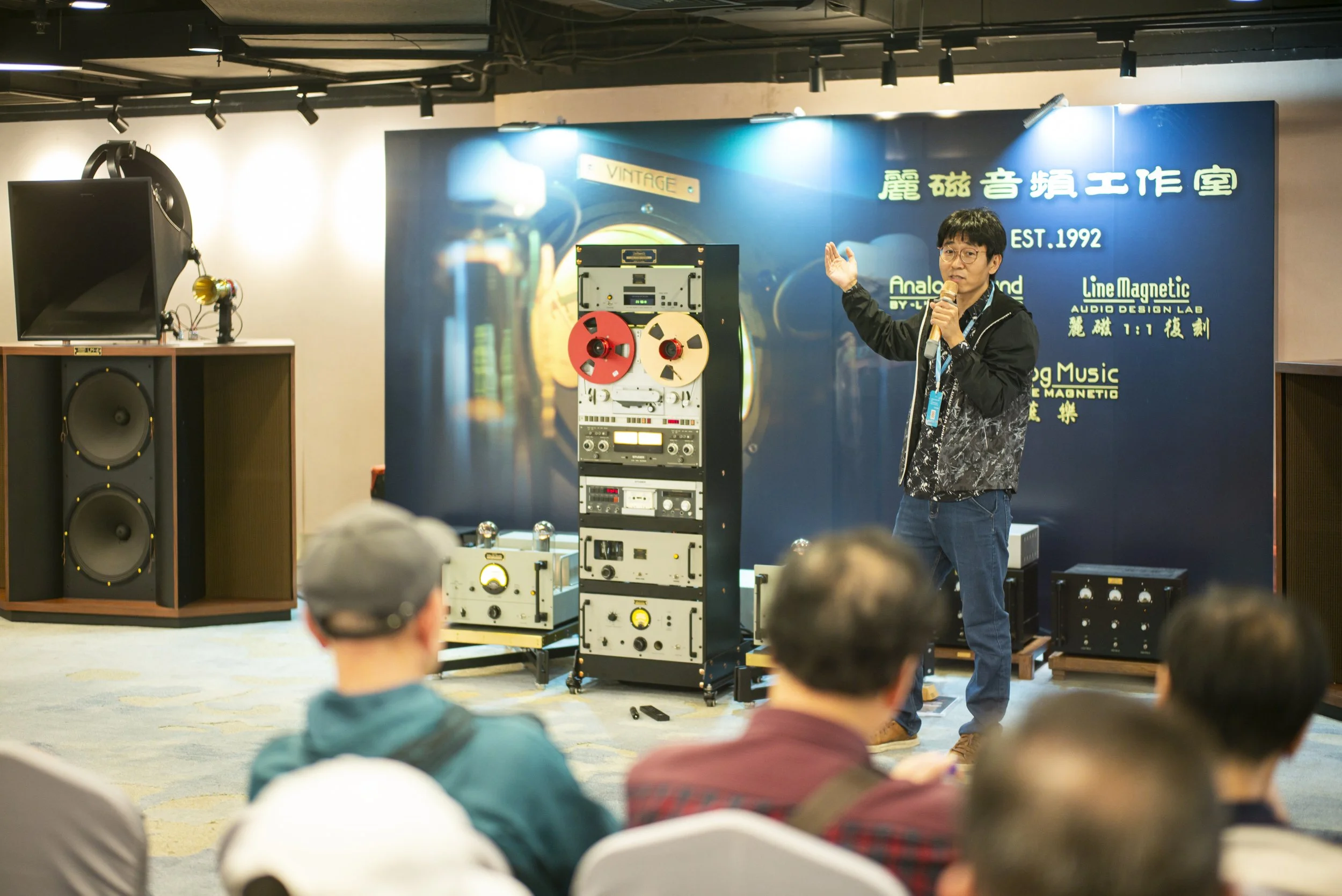
Musician-Turned-Sound Engineer, Zheng Dawei in a HiFi Show
